What are the New Class Q Regulations? On 30 April 2024 government announced new regulations which would come into force regarding Class Q; applications submitted on or after 21 May 2024 will be subject these new regulations set out in Statutory Instrument 2024 No. 579 The changes bring positive news for developers and agricultural businesses alike. They shows that Government continues to see value in allowing housing to come forward in this way, it more than doubles the maximum floor area, doubles the number of units allowed. In updating the regulations, Government also closes-off a frequent battleground area which related to insulation, MPD have found that LPAs will often expect the outer skin of barns to be retained and simultaneously cite that the addition of necessary insulation goes beyond works “reasonably necessary”. In making the changes, government are sending a clear signal that SIPs panels (or equivalent) are acceptable provided they are under 20cm thick. Two other changes are worthy of discussion. Where a building has been sold off separately from its parent agricultural holding there is now a clearer path to consent under the revised Class Q Regulations. This has often been a key line of argument from LPAs who seek evidence of some form of agricultural activity or trade taking place which can often be difficult to source. Now, the test applied expects that only the current or previous use of the building be agricultural. Again, this sidesteps the arguments LPAs often advance that they need proof of a viable agricultural activity having taken place recently on the site in order for the barn to benefit from Class Q. This was never MDPs interpretation of the regulations but sadly some Inspectors have been convinced by the LPAs case made. These regulations are much clearer and as a result more schemes will meet the requirements and more housing will be delivered.
Friday 7th July 10am -1pm
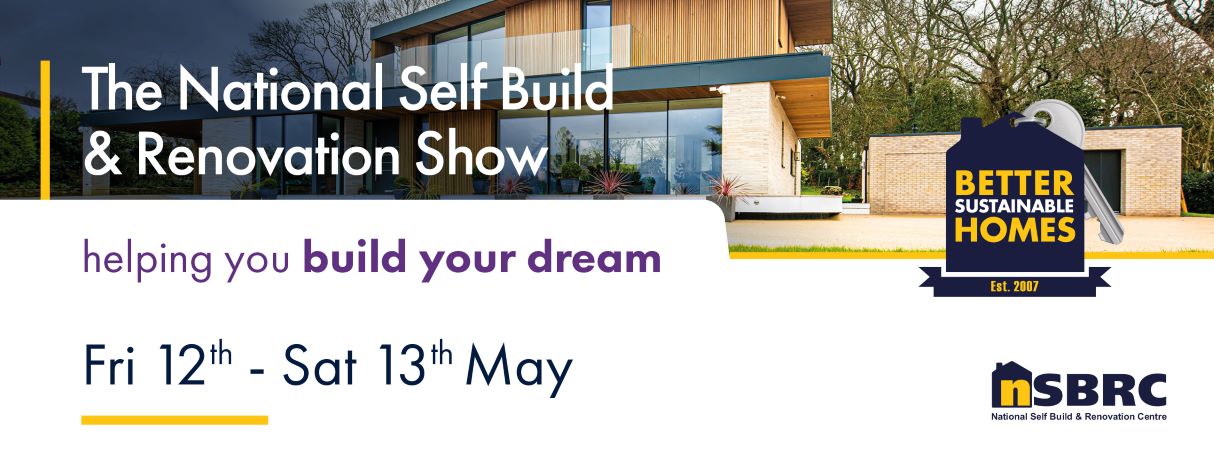
Live at The National Self Build & Renovation A half day surgery, live at the NSBRC, covering Planning Permission, Finance & Funding and Reclaiming VAT. 10:00 - 10:45 BuildStore – Finance & Funding 10:45 - 11:30 Mark Doodes Planning – Planning Permission 11:45 - 12:30 Andrew Jones - VAT Reclaim MDP will explain the intricacies of the planning process and how you can optimise your chances of getting approval for your dream home. The planning system is a complex and growing area; take expert advice upfront. Register here to attend.
Permitted development rights allow certain types of work to be undertaken without the need to apply for planning permission. It comes from the General Permitted Development Order, and these rights are given to you by Parliament that bypass your local authority.
When buying and selling property at auction, it can be helpful to understand what permitted development rights (PDRs) are available. This can allow you to add value to a property and improve it for living in, letting or selling. MDP comments 'It’s important from the outset to make sure that you do have those permitted development rights. And in most cases, you do. But in a sizeable minority of cases, you may not.' Permitted Development Rights Considerations Click on the link above to read the article in full. |

- Home
- About Us
- Services
- Specialist Services
-
Projects
-
Barn Conversions
>
- Full Planning Permission, Blewbury, Oxfordshire
- Full Planning Permission, Corsham
- Class Q, Wootton Fields Farm Barn
- Class Q, Royal Wootton Bassett Big Barn
- Class Q, Gainfield, Faringdon
- Class Q, Granborough, Aylesbury Vale
- Full Planning Permission, Ampney Crucis, Cotswolds
- Class Q, Sutton Courteney
- Stable Barn Conversion, Longcot
- Barn conversion to four dwellings, Reading
-
Self-Build Projects
>
- Chisleborough, Somerset
- Replacement Dwelling, Cotswolds
- Garden Subdivision, Baughurst
- Brownfiled Subdivision, Stadhampton
- Wantage, Oxfordshire, OX12
- The Riverbank, Windsor
- Innovative green roofed self build, Gerrards Cross
- Collingbourne-Ducis (in Conservation Area)
- Wantage AONB
- All Cannings Plot Subdivision
- Barn-Like Dwelling, Didcot
- Drayton Mill
- Hillgreen AONB
- Broad Town Swindon
- South Cerney
- Oxford (Green Belt)
- Devizes, New Build
- Netheravon - Wiltshire
- Maidenhead, Berkshire
- Granborough, Buckinghamshire
- Large Developments >
-
Small Developments
>
- Abingdon, 2 dwellings
- Little Milton 5 Units, Oxfordshire
- Harwell 4 Dwellings
- Little Chalfont Replacement Dwelling
- Granborough Replacement Dwelling
- Oxford 4 Dwellings
- Camberley 2 Dwellings
- Peterborough 3 Dwellings
- Sutton Courtenay 3 Dwellings
- Brightwalton 3 Dwellings
- Wiltshire 4 Units
- Polgooth, Cornwall - New Dwelling
- Southmoor, Kingston Bagpuize, Oxfordshire
- Strategic Land >
-
Commercial Projects
>
- Retail and Residential Development Wroughton, Wiltshire
- Multi Use Gaming Area, Witney, Oxfordshire
- Commercial Premises Expansion
- Commercial Car Park Expansion
- Ducklington Office Space
- Major commercial expansion
- Dog Exercise and Relaxation Business Wanborough, Wiltshire
- Light Industrial Commercial Scheme
-
Equestrian Projects
>
- Equestrian project with restaurant, Addington, Buckinghamshire
- Equestrian Indoor Arena, West Wellow, Hampshire
- Goosey Stables
- Indoor Equestrian Arena Durley
- Outdoor arena Braziers End Buckinghamshire
- Manege extension, Mortimer, Reading
- Barn Conversion into Office and Living Accommodation, High Wycombe
- Equestrian Project, Olney, Milton Keynes
- Wigginton, Hertfordshire
- Commercial Indoor Arena, Stratford-on-Avon, Warwickshire
- Heritage Projects >
- Domestic Alterations >
-
Barn Conversions
>
-
Sites for sale
- Advice
- News
- Events
- Contact
- Jobs